

Tekkonkinkreet(2007)
Sony Pictures Entertainment (SPE) Jul 13, 2007 | Limited

Two boys defend Treasure Town and Yakuza try to take over and clear it for new development.
Releases
Original Release | Jul 13, 2007
20th Anniversary (GKIDS) | May 31, 2026
View Advanced Data

Box Office Results
Updated as of Jul 24, 2026 02:14 PM ET
All Releases (2)
$192,448
$36,840
$229,288
$6,000
$36,840
$42,840
Current Showtimes
orround
- Tue Aug 11
- Wed Aug 12
- Thu Aug 13
- Fri Aug 14
- Sat Aug 15
- Sun Aug 16
- Mon Aug 17
Director & Top Cast
Technical Specifications
Sound Mix: Dolby Digital,SDDS,DTS
Aspect Ratio: 2.35 : 1
Other Details
Country of Origin: Japan
Language: Japanese
Summaries
Frequently Asked Questions
Who directed Tekkonkinkreet?
What is Tekkonkinkreet based on?
Who animated Tekkonkinkreet?
Who composed the score for Tekkonkinkreet?
When did Tekkonkinkreet originally release?
Why is Tekkonkinkreet returning to theatres in 2026?
Will the re-release feature subtitles or dub?
Will Tekkonkinkreet be available on home video?
What awards did Tekkonkinkreet win?
Box Office: How is the Tekkonkinkreet 4K re-release being positioned?
Fun Facts
Similar Movies
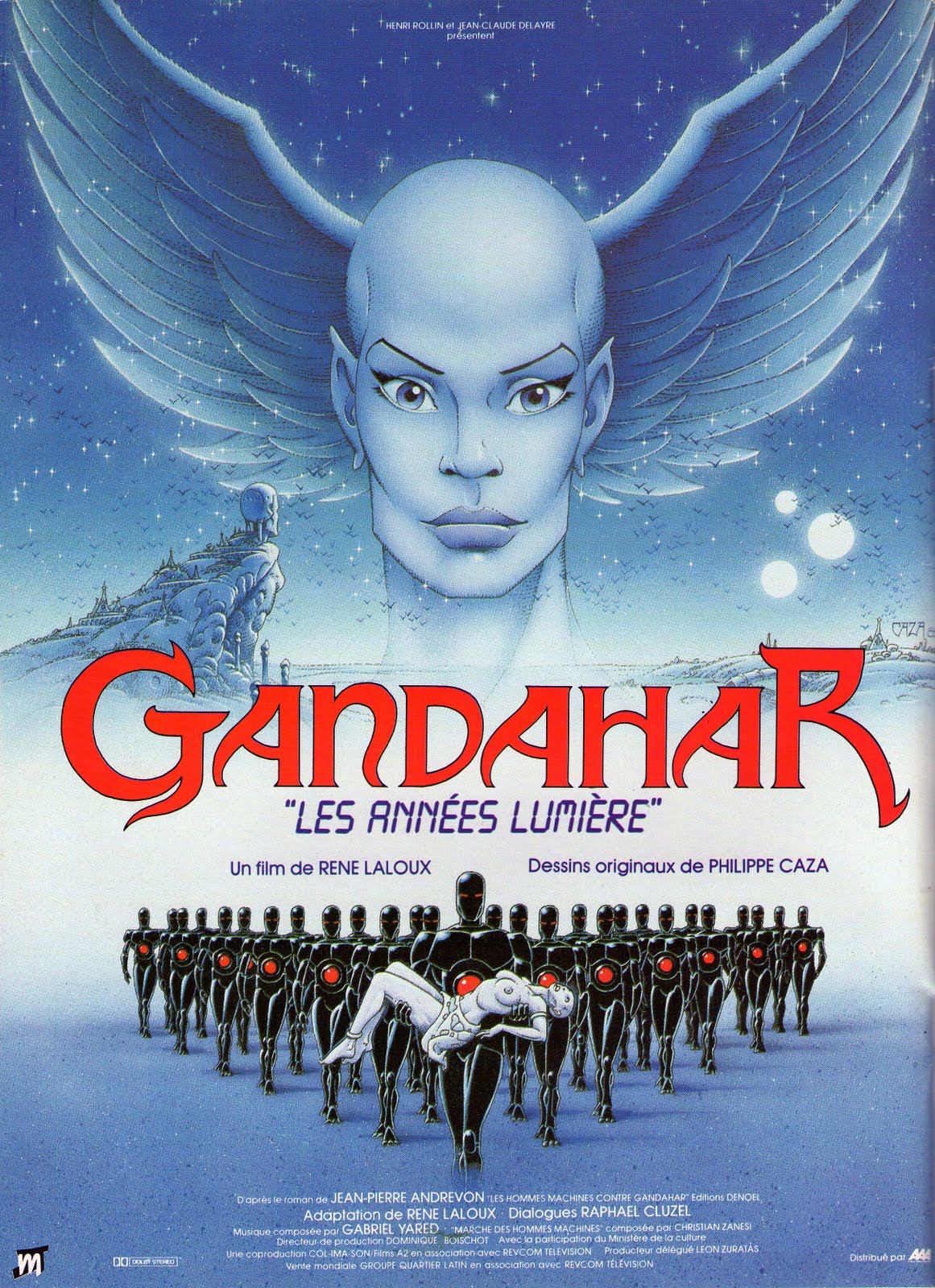
Gandahar
1h 18m
Adventure, Animation, Fantasy, Sci-Fi

All Wishes Come True!
2h 24m
Adventure, Animation, Comedy, Fantasy
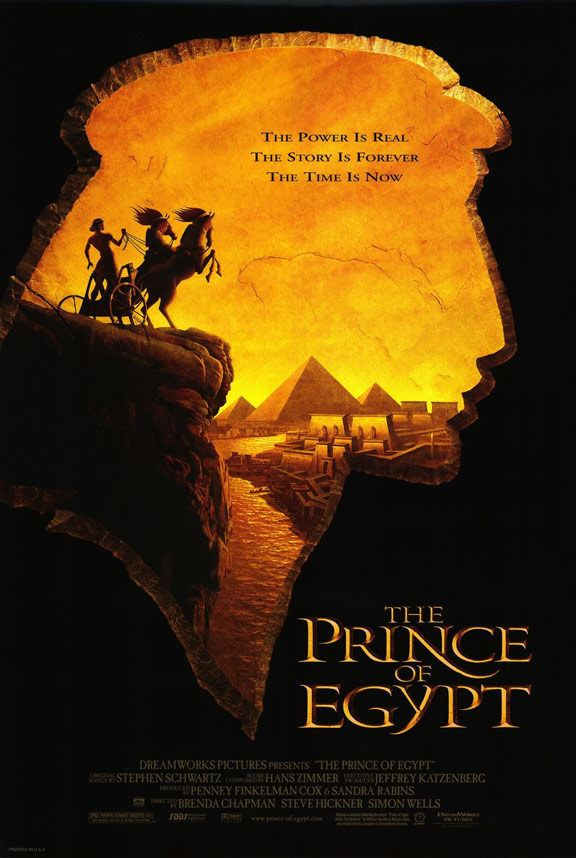
The Prince of Egypt
1h 39m
Adventure, Animation, Drama, Family, Fantasy, Musical

BLEACH: Thousand-Year Blood War – The Calamity
1h 20m
Animation, Fantasy

Dynamic Duo
Adventure, Animation, Family, Sci-Fi
Donkey
Adventure, Animation, Comedy